


IoT Consulting
Get a practical roadmap before development begins. We define device connectivity, app functions, cloud architecture, APIs, and security needs.
Get connected mobile apps that bring devices, data, and business systems together. iApp Technologies is a trusted IoT mobile app development company for startups and enterprises globally. We take into account GDPR, PCI DSS, NIST, and other applicable standards to develop secure and compliant IoT solutions.
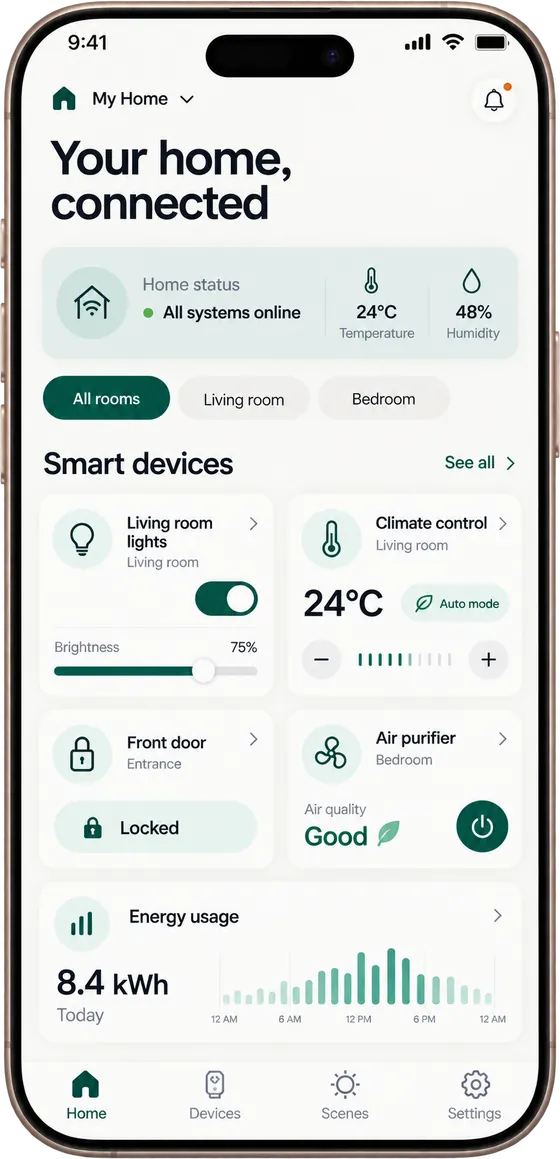
Developing connected devices needs dependable apps, data flows, APIs, security, and cloud infrastructure. iApp Technologies brings these components together under one development team.
Discuss Your IoT ProjectOur team begins the development process after taking into account your technical and business needs. Here is what we offer
Get a practical roadmap before development begins. We define device connectivity, app functions, cloud architecture, APIs, and security needs.
Build mobile apps that communicate with connected devices in real time. The solution can support monitoring, remote controls, alerts, dashboards, and device management.
Connect wearables with mobile apps via suitable communication protocols. Our app solutions support health trackers, smartwatches, fitness devices, and other connected products.
IoT applications need to be tested on devices, networks, operating systems, and real-world scenarios. We examine connectivity, speed, security, sync, and app behavior.
Add intelligent processing to connected products where it provides practical value. Use cases entail predictive upkeep, anomaly detection, recommendations, and automated alerts.
Connect industrial equipment with mobile applications and monitoring systems. We support machine monitoring, asset tracking, production data, alerts, and operational dashboards.
Create connected healthcare apps for devices, patients, clinicians, and care teams. Solutions can support remote monitoring, device data, alerts, and patient information.
Turn sensor and device data into useful business info. We create dashboards, reports, alerts, and analytics systems for making operational decisions.
Connected technology works best when it addresses a clear operational need. Our IoT mobile application development services support platforms for real-time data, tracking, analytics, and business workflows.
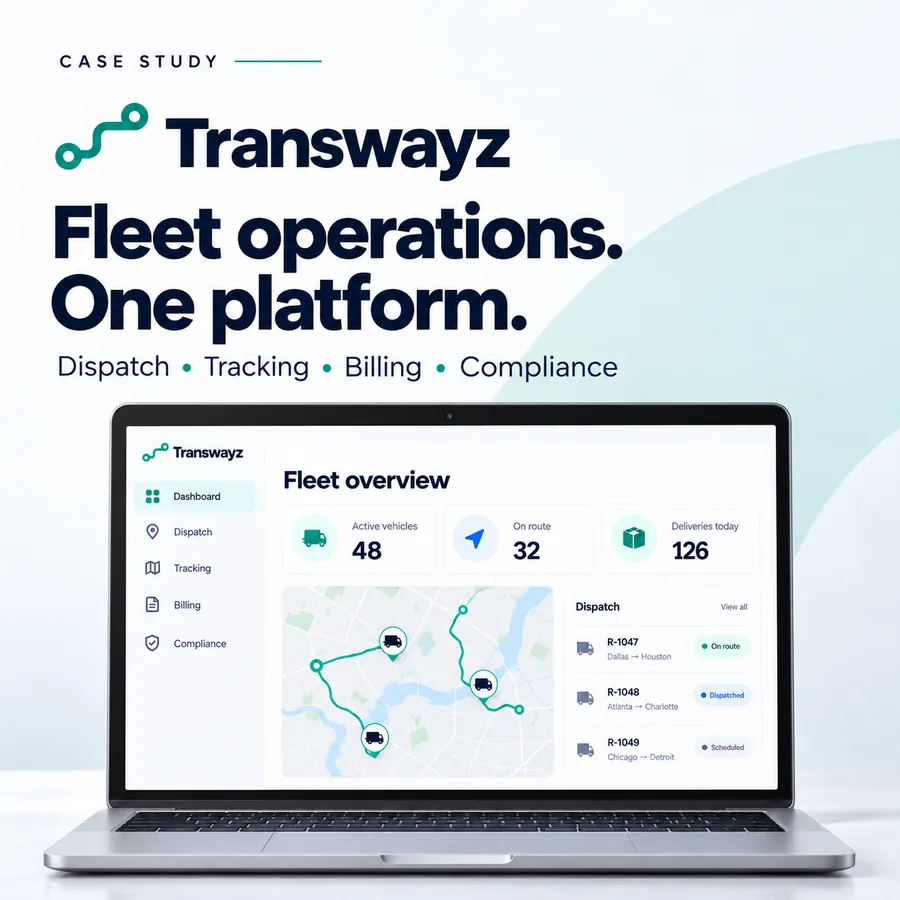
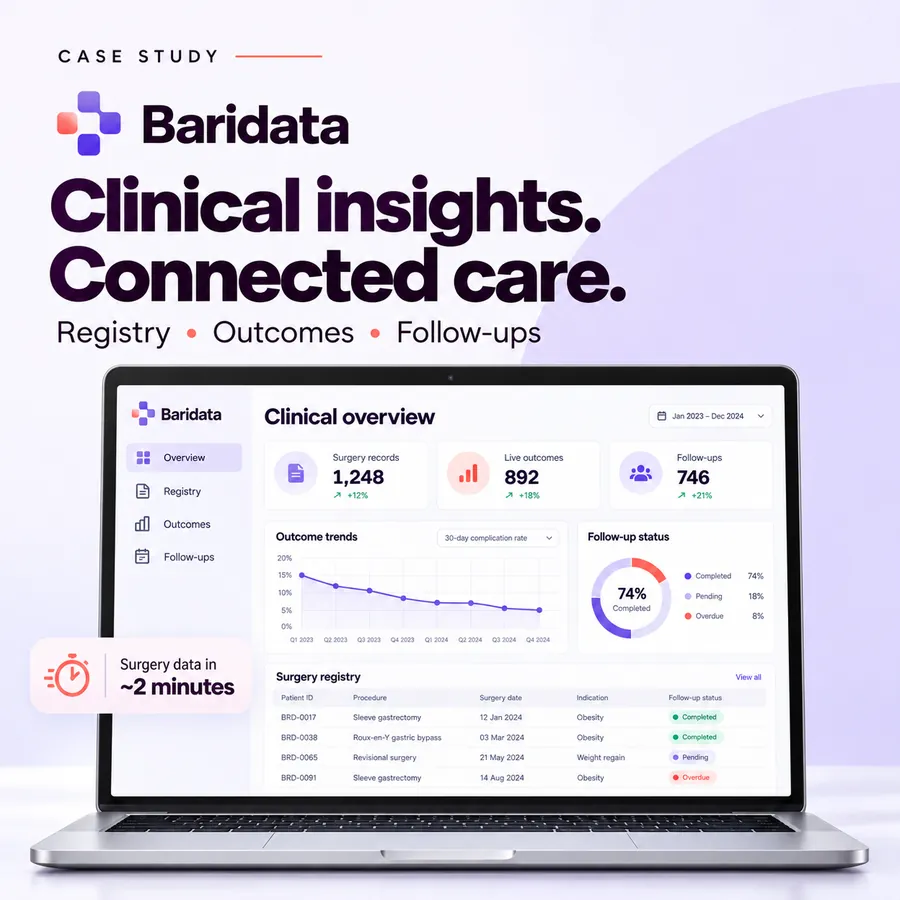
Our IoT app development solutions connect physical operations with software across many business sectors.

Connect medical devices, wearables, and patient monitoring systems with mobile applications.
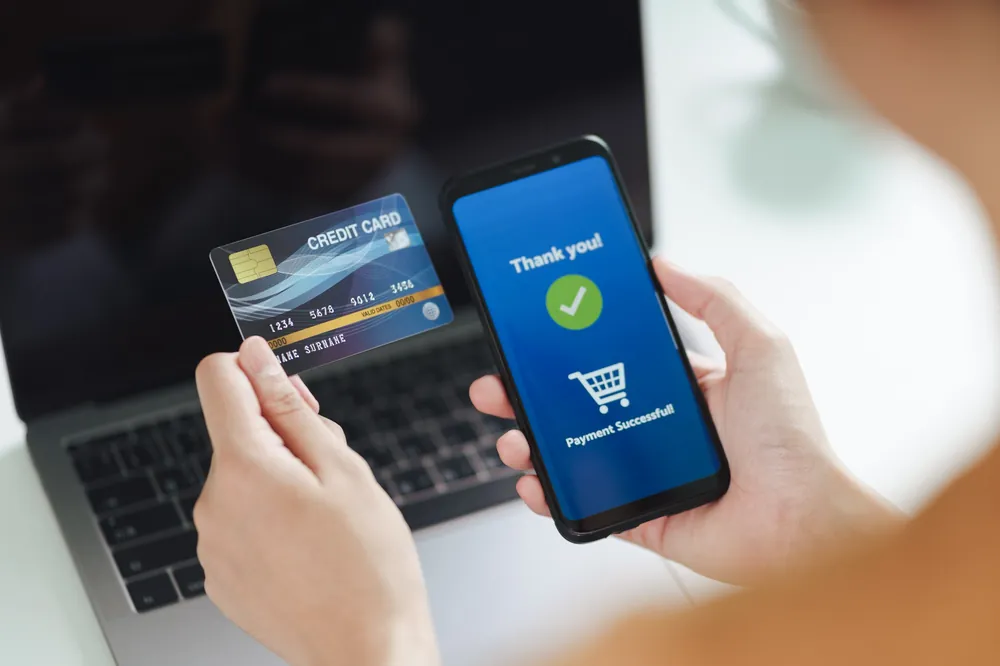
Support connected payment devices, transaction monitoring, alerts, and secure financial workflows.

Use connected device data for monitoring, risk analysis, claims support, and customer services.

Monitor equipment, production systems, machine conditions, and operational metrics in real time.

Track vehicles, shipments, assets, routes, and operational events through connected systems.
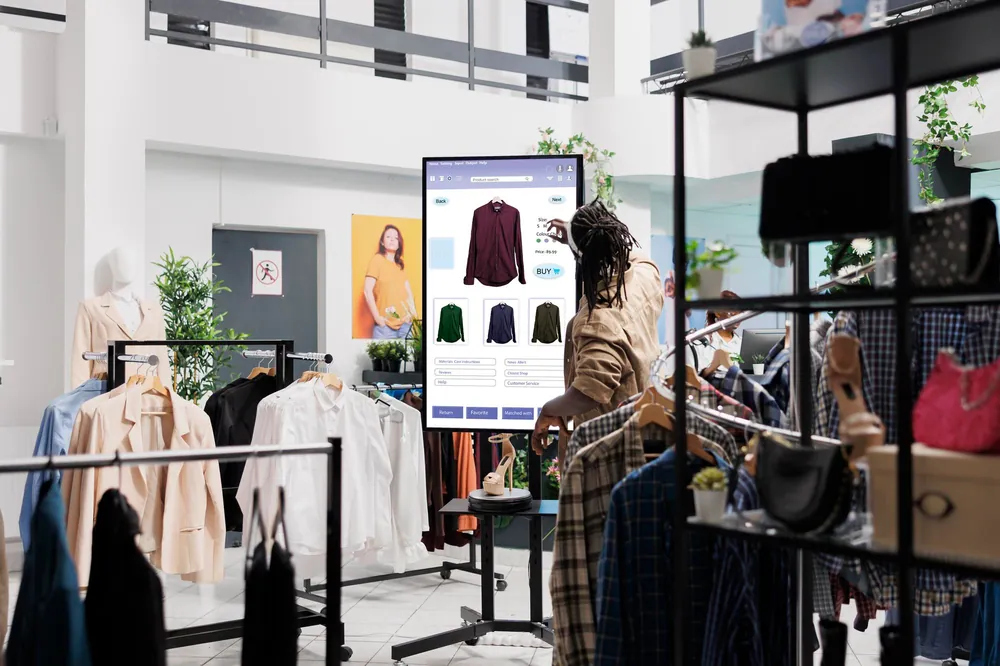
Connect smart shelves, inventory devices, kiosks, sensors, and customer-facing applications.
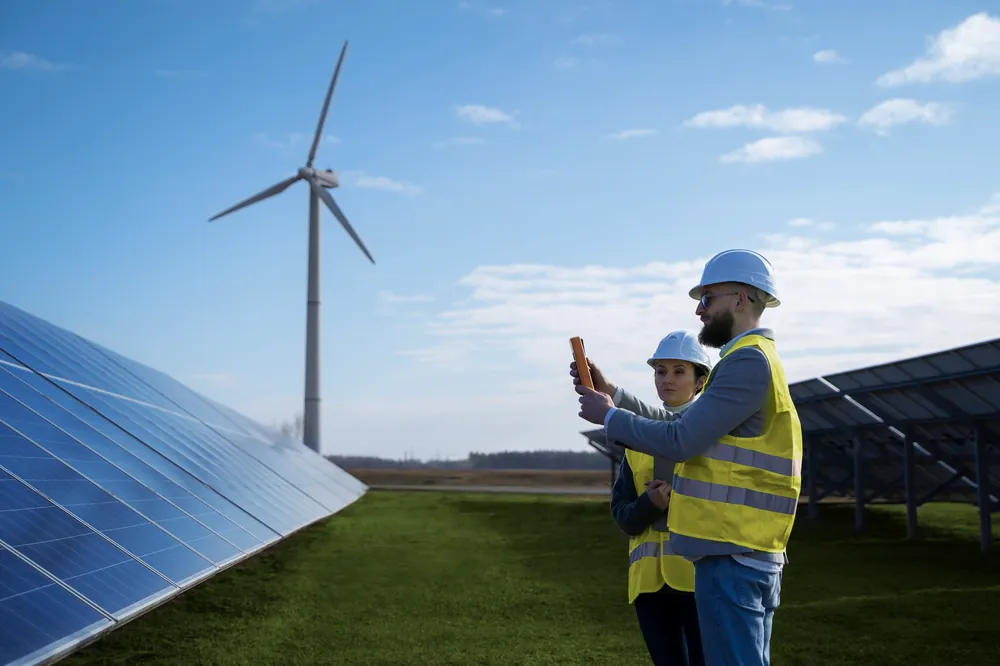
Monitor meters, equipment, consumption, service conditions, and field operations remotely.

Connect soil sensors, irrigation systems, weather devices, and farm monitoring applications.

Support connected vehicles, telematics, fleet tracking, diagnostics, and driver-facing applications.

Build smart building solutions for access control, energy monitoring, security, and facility management.

Track inventory, shipments, storage conditions, and assets across different supply chain stages.

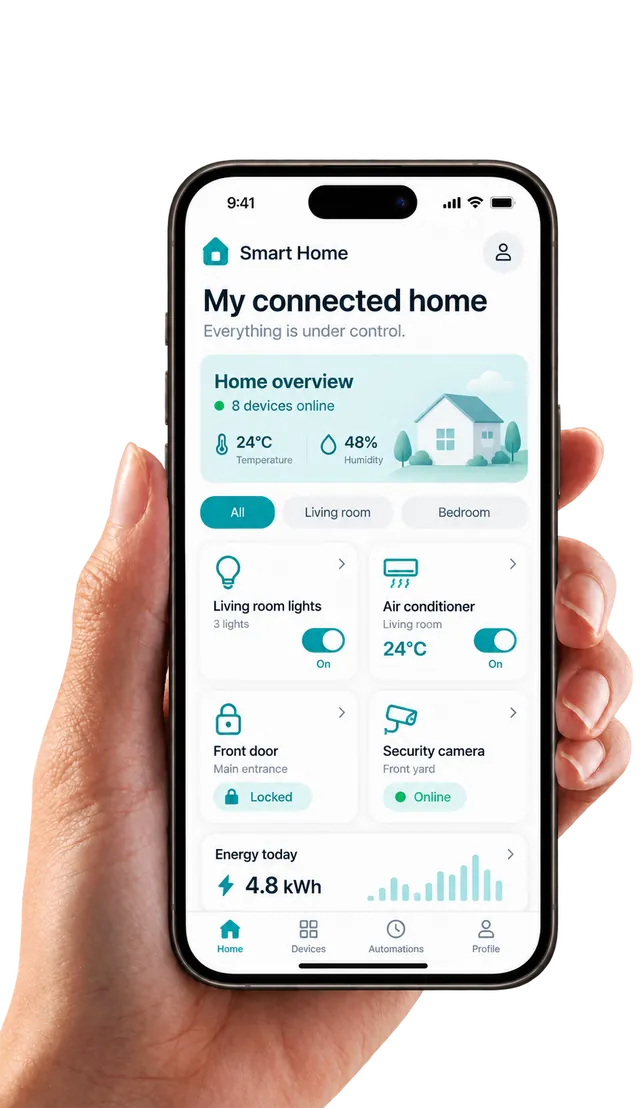
Connect appliances, security systems, lighting, thermostats, wearables, and other consumer devices.
IoT products can handle personal, financial, health, location, and device data. That is why compliance needs rely on your users, industry, data, and target markets. Our IoT application development services consider applicable privacy and security requirements during planning and development.

GDPR for applicable personal data processing in the European Union.

CCPA/CPRA for applicable California consumer data requirements.
PCI DSS for environments handling payment card data.

HIPAA for applicable protected health information in the United States.

NIST IoT Cybersecurity Guidance for IoT security practices and device capabilities.

ISO/IEC 27001 for information security management.

ISO/IEC 27701 for privacy information management.

OWASP IoT Security Guidance for common IoT security risks.

ETSI EN 303 645 for applicable consumer IoT cybersecurity requirements.

FCC requirements for applicable wireless devices in the United States.

EU Radio Equipment Directive for applicable connected radio equipment in Europe.

Apple App Store requirements for applicable mobile app privacy and security practices.

Google Play requirements for applicable data safety and permission practices.
Connected products can expose devices, users, and business systems to security risks. Our IoT app developers consider privacy, authentication, access control, encryption, and secure integrations.
IoT systems must keep devices, networks, apps, APIs, and cloud services working together. Our IoT Software Development Services address these challenges with practical, scalable solutions.
Connected devices can generate large volumes of sensor data.
We structure data pipelines and storage around the required frequency, volume, and use case.
Devices may operate across weak networks, Bluetooth connections, Wi-Fi, or cellular networks.
We design suitable connection handling, retries, synchronization, and offline support.
Different devices may use different protocols, firmware versions, and hardware capabilities.
We define device communication layers and test integrations across supported hardware.
Some use cases need immediate alerts and status updates.
We use event-based architecture, real-time communication, and cloud services where required.
IoT security involves the device, mobile app, API, network, and cloud.
We apply authentication, authorization, encryption, secure APIs, and controlled device access.
A system designed for hundreds of devices may struggle with thousands or millions.
We plan cloud infrastructure and data architecture around expected device growth.
Here are the main features our IoT app development company integrates to support connected devices, real-time data, and seamless device management.
Modern IoT systems can process large amounts of data across devices, apps, and cloud platforms. Advanced technologies can then support automation, predictions, and faster operational decisions.

AI can analyze connected-device data and identify patterns. It can support alerts, recommendations, forecasting, and automated decisions.

Agentic AI can handle defined workflows using connected data and business rules. For example, an agent can review alerts and trigger approved actions.

Generative AI can turn complex device data into readable summaries. It can also support natural-language queries for dashboards and reports.

Machine learning can identify patterns across historical device data. Common applications include anomaly detection, demand forecasting, and predictive maintenance.

Edge computing processes selected data closer to the device. This can reduce latency and limit the need to send every event to the cloud.

Large IoT datasets need structured processing and analytics. Big data tools can help identify trends across devices, locations, and time periods.

Cloud platforms provide storage, APIs, processing, monitoring, and scalable infrastructure. They also help manage connected systems across different locations.

Security must cover devices, mobile apps, APIs, networks, and cloud infrastructure. Controls can include encryption, authentication, authorization, monitoring, and secure updates.
Your IoT product can do more than collect device data. AI, analytics, edge computing, and cloud services can turn that data into useful actions.
Build an Intelligent IoT AppThe technology stack depends on your devices, connectivity requirements, app platforms, data volume, and cloud environment.
 Swift
Swift
 SwiftUI
 Kotlin
 Flutter
 React Native
 Node.js
 Python
 Java
Java
 Laravel
 PHP
PHP
 MQTT
MQTT
 AWS
AWS
 Microsoft Azure
 Google Cloud
 Firebase
 PostgreSQL
 MySQL
MySQL
 MongoDB
 Redis
Redis
 InfluxDB
 Apache Kafka
 Apache Spark
 Power BI
 TensorFlow
Python
TensorFlow
Python
 GraphQL
Successful IoT development requires close coordination between hardware, software, connectivity, and data. Our custom IoT app development process keeps these technical areas aligned throughout development.

We study your devices, users, workflows, data requirements, and business goals. The team also identifies connectivity, security, and integration requirements.

Next, we define how devices, mobile apps, APIs, databases, and cloud services will communicate. This creates the technical foundation for the connected product.

The interface is designed around real device interactions and user tasks. Dashboards, controls, alerts, and device status screens are mapped before development.

Developers build the mobile application, APIs, device communication, databases, and cloud components. Each layer is tested as the connected system takes shape.

The application is tested with supported devices, networks, operating systems, and data conditions. We check connectivity, synchronization, performance, security, and error handling.

After launch, we monitor application performance and connected services. Updates, security fixes, device changes, and new features can be handled through ongoing support.
IoT development needs more than mobile development skills. It requires an understanding of devices, data, connectivity, cloud systems, and security. Here is why we stand out in the competition when it's about IoT app development.

Our teams work across mobile, cloud, software, AI, analytics, and IoT. This helps keep different technical layers aligned within one project.

The app is planned as part of the complete connected system. That includes device communication, APIs, cloud services, and user-facing features.

Security considerations are included across authentication, APIs, data, device access, and cloud infrastructure. Relevant requirements are identified based on your product and market.

IoT systems can grow quickly as more devices connect. We plan architecture around your expected device volume and data requirements.

Build for iOS, Android, or both based on your users and product requirements. Cross-platform options can also be considered where they fit the project.

IoT products often need updates after launch. We support maintenance, new device integrations, performance improvements, and feature development.
Connect your devices, users, data, and business systems through one reliable mobile solution. From planning to deployment, iApp Technologies can handle the complete IoT development cycle.
Start Your IoT ProjectTell us what it measures and how it connects. We will map the app, cloud, and security scope with you.
Talk to an IoT ExpertThe timeline depends on devices, connectivity, features, integrations, and testing requirements. A basic MVP can take less time than a complex enterprise IoT platform.
We build smart home, healthcare, wearable, industrial, logistics, automotive, energy, and consumer IoT apps.
Yes. Our IoT App Development Company USA builds native and cross-platform IoT apps for iOS and Android. The choice depends on your devices, features, performance needs, and budget.
We can work with sensors, wearables, vehicles, smart appliances, industrial devices, and other connected hardware. Connectivity can include BLE, Wi-Fi, cellular, MQTT, and APIs.
Security can include authentication, authorization, encryption, secure APIs, device access controls, and monitoring. Requirements are planned according to the product and applicable standards.
An IoT mobile app typically costs $30,000–$150,000+. However, the exact price depends on device complexity, app features, integrations, platforms, backend requirements, and security needs. We estimate the project after reviewing these requirements.
Yes. We can connect IoT applications with cloud platforms, APIs, databases, CRMs, ERPs, analytics tools, and other systems.
Yes. Support can include bug fixes, security updates, performance monitoring, device integrations, and new feature development.
Wait! Before you go…
Talk to our experts and turn your ideas into powerful digital solutions.


 Trusted by 1000+ businesses

Fill out the form and our team will get back to you shortly.




 Discover content from creators around the world and for any interest.